
Remove Hazardous Trees Before Damage Occurs
Tree Removal in West Fargo for properties with dead, leaning, or structurally compromised trees near buildings
OnSite Property Services removes trees from residential and commercial properties in West Fargo, using rigging and cutting techniques that bring down dead, diseased, or hazardous trees without damaging nearby structures or landscaping. When a tree loses major limbs, leans toward a building, or shows rot at the base, the risk of it falling increases with every windstorm. Removing it before it comes down on its own prevents roof damage, utility line interference, and costly repairs that follow uncontrolled failure.
Tree removal involves more than cutting at the base and hoping for the best. Large trees are sectioned from the top down, with each piece rigged and lowered under control to avoid damaging fences, driveways, or adjacent plantings. Smaller trees may be felled in one cut if there is enough clearance, but most removals in residential areas require careful planning to avoid obstacles. Once the tree is down, the stump is cut flush with the ground or ground below grade, depending on what you plan to do with the space afterward.
If you have a tree that looks unstable or needs to come out to make room for new construction, contact us to assess the site and plan the removal.
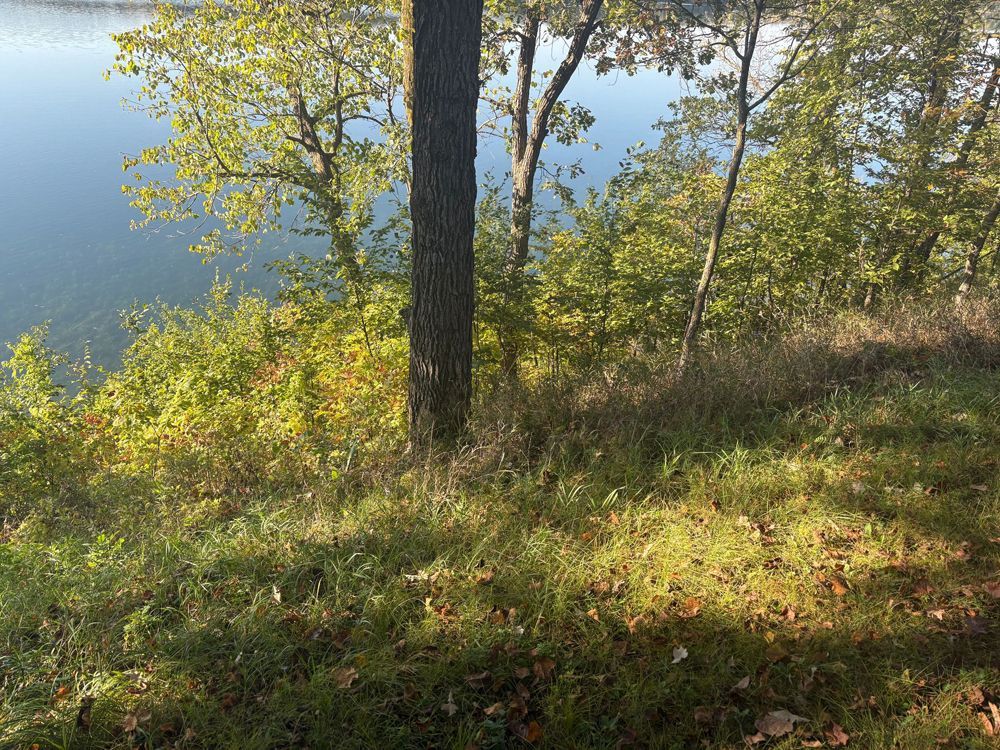
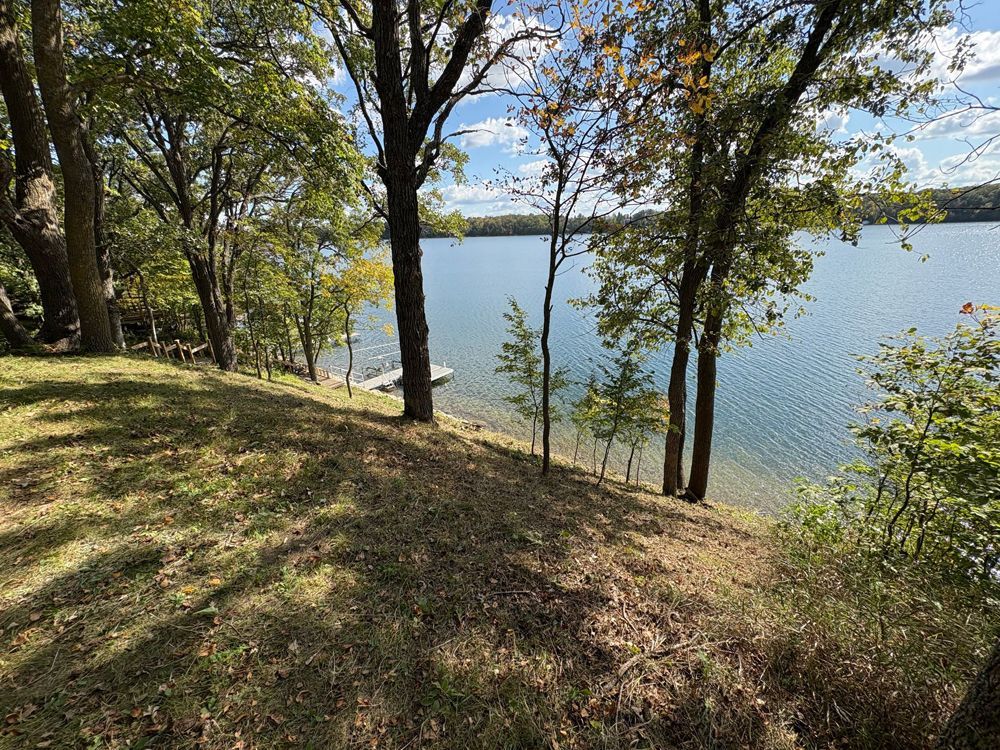
What Safe Removal Looks Like in Practice
You will notice how much control matters when a tree is brought down in sections rather than dropped all at once. Rigging allows each cut piece to be lowered on ropes, preventing it from crashing into the yard or bouncing off hardscape. OnSite Property Services evaluates lean, weight distribution, and nearby obstacles before making the first cut, so the tree comes down where it is supposed to without surprises.
After removal, your property will be clear of the tree and its major limbs, with debris hauled away or chipped on site depending on your preference. The area where the tree stood will be open for replanting, grading, or whatever use you have planned. Removing a dead or leaning tree also eliminates the risk of falling branches during storms, which means you no longer need to worry about damage to roofing, siding, or vehicles parked nearby.
Stump grinding is available as an additional service if you want the stump removed below grade so grass or new landscaping can be installed over it. If the tree is healthy but simply in the wrong location, removal opens up space for construction, driveway expansion, or new plantings that fit your current needs better. Diseased trees should be removed promptly to prevent spread to nearby trees, especially when dealing with infestations or fungal infections that move through root systems.
Property owners often ask about timing, stump handling, and how removal affects surrounding landscaping, especially when trees are close to structures or utility lines.
Questions Homeowners Ask About Tree Removal
What happens to the wood and debris after removal?
Wood can be cut into firewood lengths and left on site, or all debris can be hauled away and disposed of depending on what you prefer.
How close to a building can a tree be safely removed?
Trees within a few feet of structures can be removed using rigging techniques that control each section as it is cut, preventing damage to walls, roofs, or windows.
Why should dead trees be removed quickly?
Dead trees become brittle and unpredictable, and high winds in West Fargo can bring them down without warning, often during storms when response times are slow and damage is hardest to address.
When is the best time to remove a tree?
Trees can be removed year-round, but late fall through early spring is often easier because leaves are down and frozen ground reduces rutting from equipment.
What is involved in stump grinding?
A grinder chews the stump down several inches below grade, leaving wood chips that can be used as mulch or removed, and allowing the area to be replanted or sodded over.
OnSite Property Services handles tree removal with attention to site conditions and safety, so your property is cleared without unnecessary damage to what stays behind. Get in touch to schedule an assessment and discuss removal options.