
Keep Your Landscape Healthy and Structurally Sound
Shrub & Tree Trimming in West Fargo for overgrown branches blocking pathways or weighing down after heavy snow
OnSite Property Services provides shrub and tree trimming throughout West Fargo to help you maintain strong plant structure and prevent damage before it starts. You rely on your trees and shrubs to frame your property, but when branches grow unevenly or extend into rooflines, driveways, and power lines, they create hazards that worsen with every windstorm. Professional trimming removes dead wood, controls size, and directs growth so your plants develop balanced canopies that hold up through the region's variable weather.
Trimming addresses more than appearance. Overcrowded branches trap moisture and block airflow, creating conditions that invite disease and insect activity. Removing select limbs opens the canopy and reduces weight on main stems, which lowers the chance of splitting during ice accumulation or high winds. Proper cuts heal cleanly and encourage outward growth rather than dense interior tangles that weaken the plant over time.
If your shrubs have outgrown their beds or your trees need shaping before the next storm season, reach out to discuss trimming options that match your property layout and plant types.
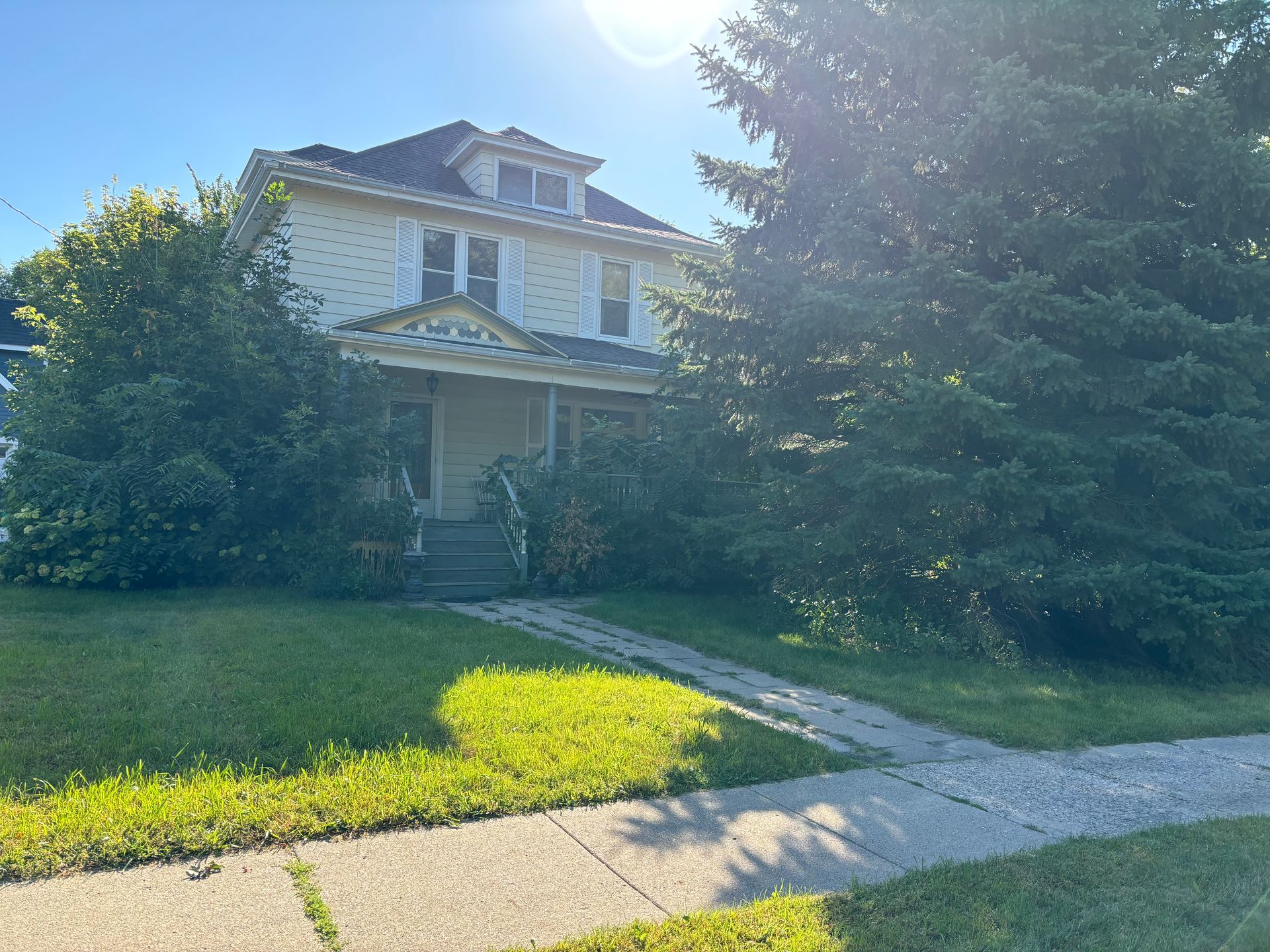
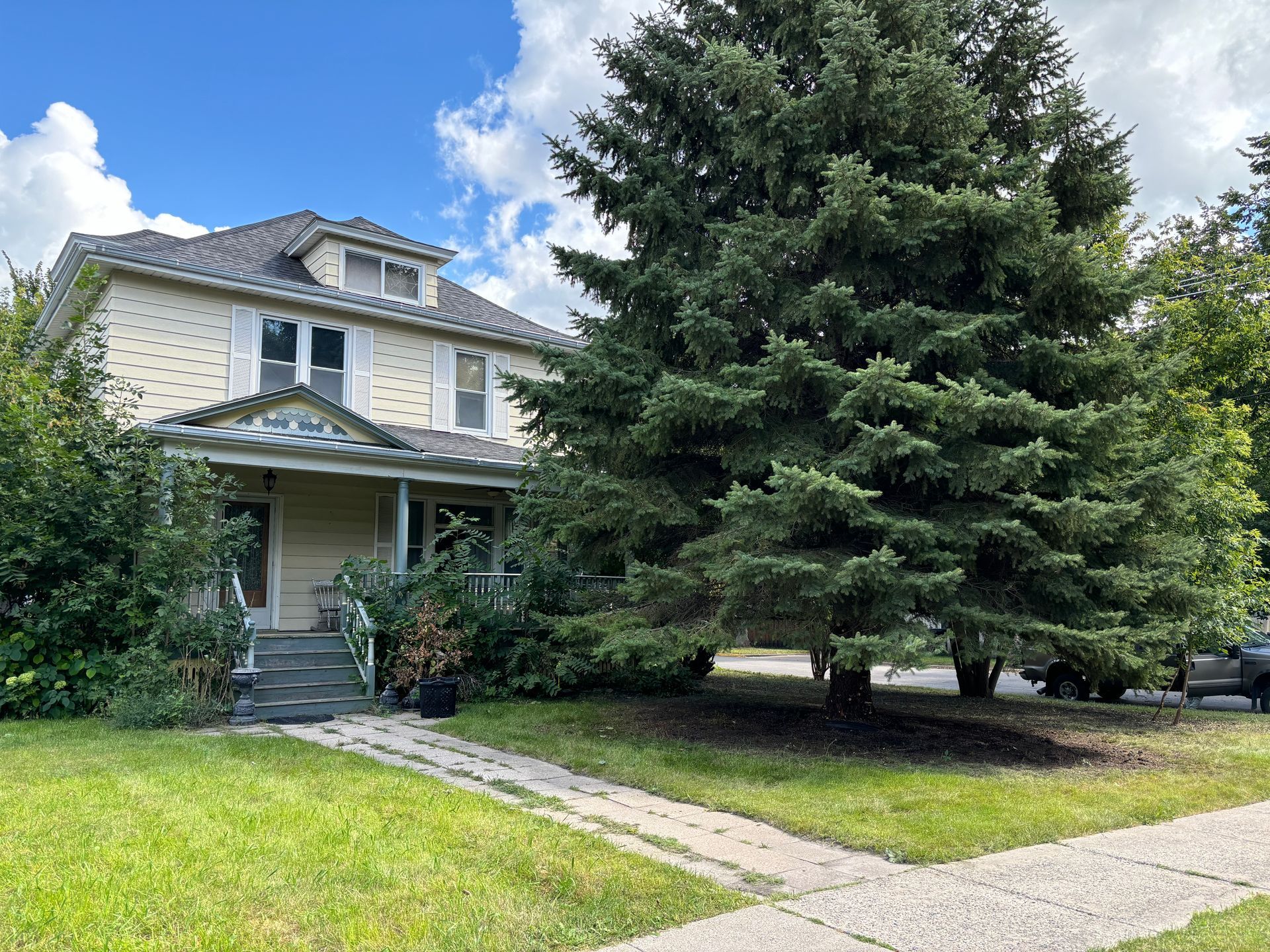
What Happens During a Trimming Visit
You watch as crews inspect each plant for crossing limbs, dead branches, and areas where growth has turned inward or become top-heavy. Hand pruners, loppers, and pole saws are selected based on branch diameter and height. Cuts are made just outside the branch collar to promote fast healing and minimize sap loss, and all debris is gathered and removed so your beds stay clear.
After trimming, you see more light reaching lower plantings and the ground beneath trees. Shrubs sit within their intended footprint again, and tree canopies look open rather than congested. OnSite Property Services completes the work with an eye toward long-term structure, so your plants continue to grow evenly and require less corrective pruning in future seasons.
Trimming schedules vary depending on plant type and growth rate. Some shrubs benefit from yearly shaping, while mature trees may only need attention every few years. Work is planned around dormancy periods or active growth phases depending on species, and no trimming is performed during extreme heat or when plants are stressed from drought.
Homeowners often ask how trimming differs from removal, what time of year works best, and whether all plant types are handled the same way.
Questions About Trimming Work in West Fargo
What tools are used for different branch sizes?
Hand pruners handle stems up to three-quarters of an inch, loppers work for branches up to two inches, and pole saws or handsaws are brought in for anything larger that requires reach or controlled cuts.
How do you decide which branches to remove?
You remove anything dead, damaged, or rubbing against other limbs, then thin areas where branches cross or grow toward the center, and finally shape the outer canopy to maintain balance without removing more than one-third of the total growth.
When should trimming happen during the year?
Most deciduous trees are trimmed during dormancy in late winter, shrubs that bloom on new wood are cut in early spring, and evergreens are shaped in late spring after new growth hardens off.
Why does West Fargo weather affect timing?
Heavy snow and ice load branches in winter, so trimming before accumulation reduces breakage, and spring winds can snap weakened limbs that should have been removed during dormant pruning windows.
What happens if a tree is trimmed incorrectly?
Topping or flush cuts leave large wounds that do not close properly, inviting rot and pest entry, and removing too much foliage at once stresses the plant and forces weak regrowth that becomes a maintenance problem within a season.
OnSite Property Services schedules trimming based on plant health and your property needs, so growth stays controlled and your landscape continues to perform through every season. Contact the team to arrange an assessment and get your shrubs and trees back in shape.